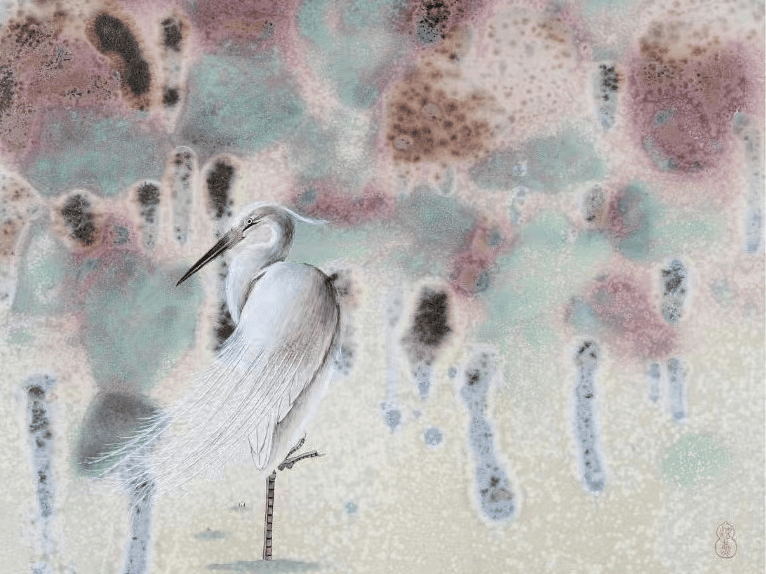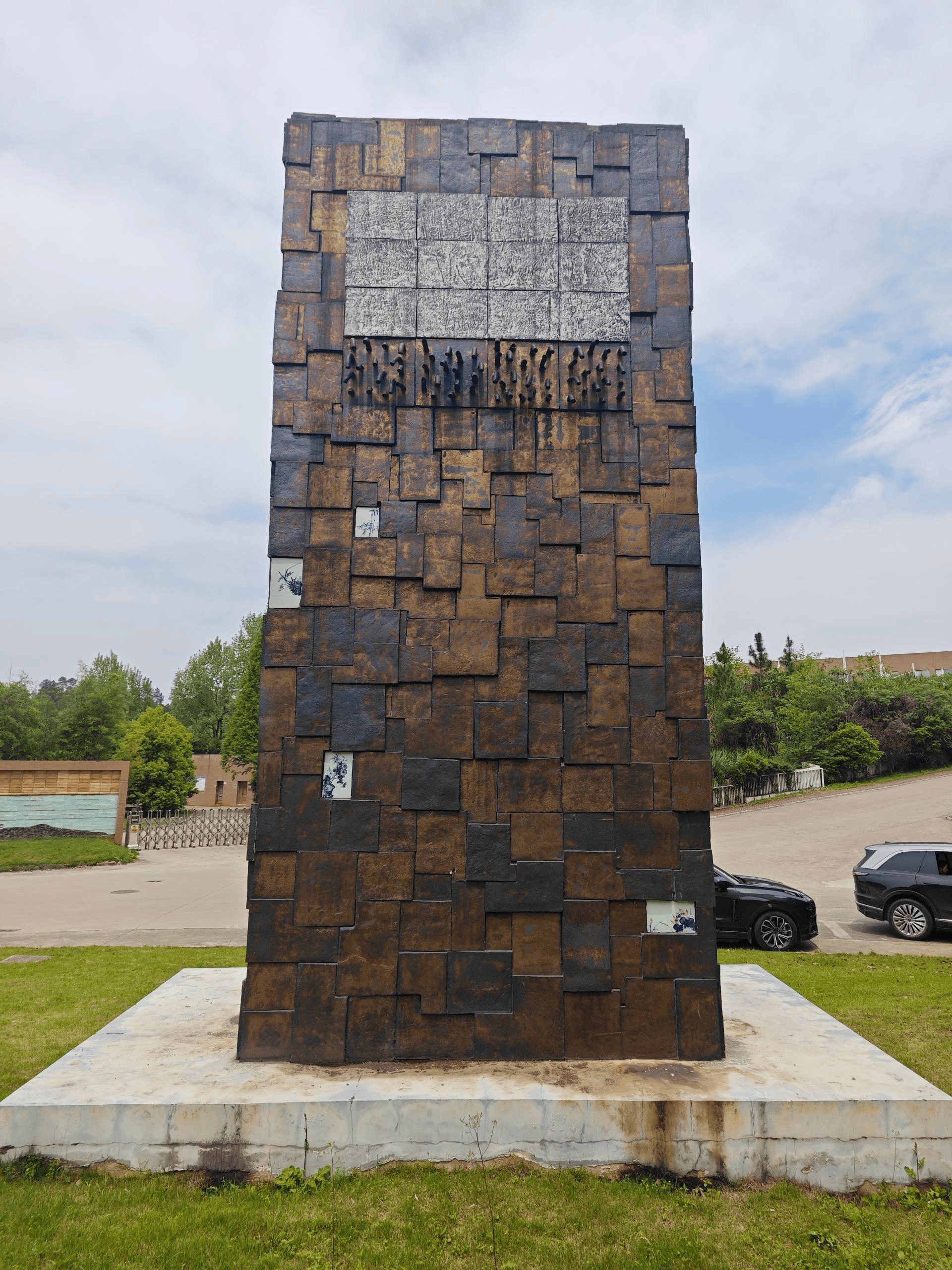
Pottery work constitutes a outstanding medium form with a vast past, traveling back numerous of times. From ancient holders to cutting-edge placements, the medium offers unique possibilities for creative demonstration. Artists use wide-ranging techniques – including constructing, wheel shaping, and refined firing processes – to mold humble soil into beautiful three-dimensional objects. The robustness of fired clay also contributes to its status as a truly memorable part of human culture.
Delving into Clay Tile Arrangements and Strategies
The field of ceramic tablet design offers a considerable array of artistic possibilities. Creators often engage a blend of heritage-based and current techniques to create visually beautiful pieces. These can cover from simple, crafted reliefs to complex, multi-layered configurations. Popular methods include shape forming, manual forming, varnishing – which can involve an array of approaches like primary coloration, top glaze design, and scraped artwork where designs are uncovered by removing a layer of enamel. Extra research into surface treatments such as the raku firing method and lustering can generate truly one-of-a-kind and customized porcelain boards.
- Template Making - Generating pieces using a mold
- Sculpting by hand - Accurately crafting the dirt
- The glaze process - Covering the exterior with a lustrous finish
- Sgraffito - Making visible designs by excavating films
Absorbing Experiences: Earthenware Art Installations
The progressing landscape of visual arts presents exciting original avenues for participants, and ceramic art installations are at the forefront of this progression. These aren't just static works; they are built to envelop the spectator in a sensory realm. Imagine moving inside a forest of towering, textured ceramic trees, or navigating a mesh of exquisite ceramic vessels. Many makers are now incorporating harmonies, radiance, and even aroma to enhance the atmosphere of their work. Imagine the power of a room filled with hundreds of uniquely ceramic artifacts, each telling a chronicle. Frequently, such installations analyze themes of environment, remembrance, and mankind.
- Such installations blur the edges between work and venue.
- Participating in a ceramic art installation can be a deeply intimate journey.
- Creators are extending the thresholds of what is doable with clay.
This Attractiveness of the Pottery Vessel: Role and Formation
The pottery receptacle represents a lovely union of utility and decorative appeal. Historically, these vessels served a fundamental job in supporting objects, but their development has transformed them into highly valued works of creation. Each element showcases the proficiency of the sculptor, demonstrating how form can be as essential as service. The deliberate shaping, the uncommon glazes, and the aggregate presence of a finely-produced jar can raise a space, offering both elegance and a reserved reminder of the human hand.
Current Terracotta Design : Extending Edges
Latest brick art represents a fascinating change from customary practices. Builders are actively pushing with fresh systems, mixing the distinctions between pottery and separate imaginative categories. From considerable installations to intricate miniature pieces, such works examine themes of persona while parallelly remodeling the basic of what brick can be. The resulting is a vibrant field of inspired manifestation.
Pottery Sign: Guarding Legacy in Porcelain
Stoneware plaques offer a uncommon method for capturing significant events and characters. In contrast to traditional metal or stone markers, these sturdy pieces of creation are formed from kilned clay, creating a actual link to the history. Commonly, they depict intricate sculptures or vividly colored imagery, illustrating stories that might otherwise be lost. The technique, dating back ancient populations, provides a lovely and eternal way to recognize our collective history. Jingdezhen Ceramic Cup Set
- Such can be situated in accessible spaces.
- A large number of are now acknowledged historical objects.
Clay Art Displays: Transforming Sites
Porcelain art installations are becoming a significant medium for artisans to remodel public and private settings. These immersive works frequently involve significant clay figures that captivate viewers, redirecting their appreciation of the created environment. By incorporating diverse ways like manual assembly and elaborate firing ways, ceramic artists fabricate truly unique experiences, breaking down the separations between sculpture and setting. The outcome is often a touching change that strengthens the decorative quality of the area and stimulates reflection.
Genesis Turning Device to Awe: The Skill of the Brick Urn
The journey of a ceramic jar from a simple lump of clay to a polished work of art is a testament to human talent. Traditionally, the process initiates with the potter’s circular platform, where the adept artisan creates the turning dirt into a cylindrical shape. This preliminary process demands cleverness and a attuned eye, followed by a delicate dehydration period. Once soft-fired, the pot is ready for beautification, which may involve applying intricate sketches, carving detailed views, or implementing a assortment of varnishes. The closing firing process then modifies the product into a durable and beautiful container, a tangible expression of the builder's talent.
Modeling with Terracotta: A Tutorial to Ceramic Creation
Engaging the landscape of ceramic creation begins with comprehending the cornerstones of fashioning with clay. This particular procedure demands precisely composing and subtracting mass to build three-dimensional artifacts. Regardless of you're a apprentice or a accomplished practitioner, experimenting with different kinds of ceramic material – including terracotta – will aid you detect your personal signature. At last, terracotta carving is a worthwhile quest that merges skilled talent with inventive presentation.